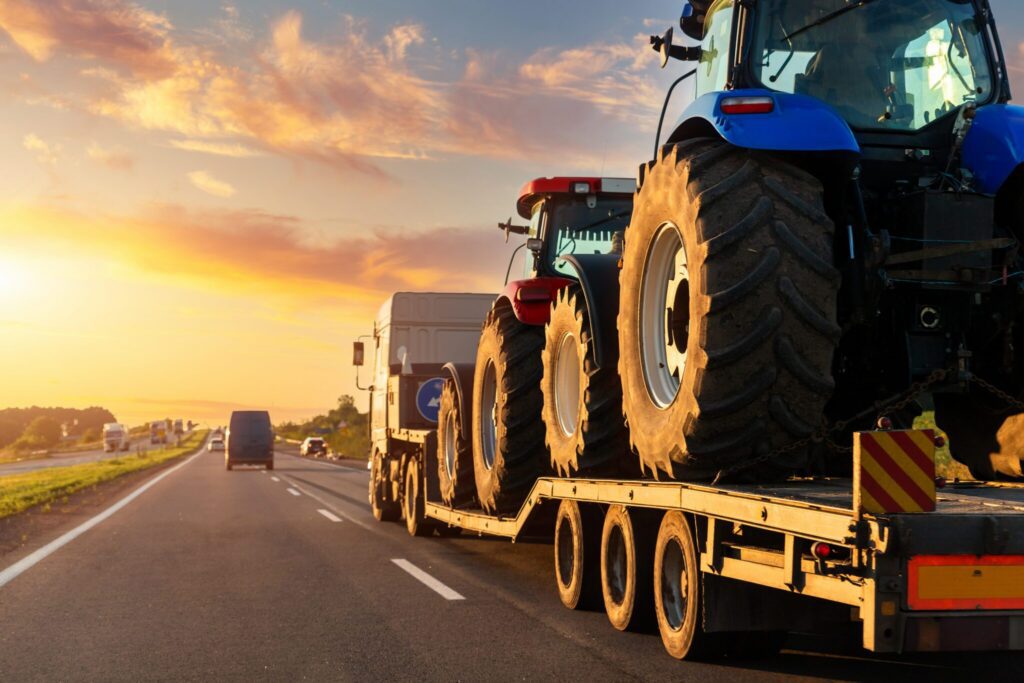

Trailer Types at a Glance
Choosing the right trailer is one of the most important steps in planning a freight shipment. The wrong trailer can cause pickup delays, loading problems, route issues, added costs, and unnecessary stress. The right trailer helps the freight move safely, legally, and on schedule.
Many shippers know what they are moving, but they are not always sure what equipment they need. Should the shipment move in a dry van? Does it require a flatbed? Is a step deck better because of height? Is an RGN needed because the equipment must be driven onto the trailer?
The answer depends on the freight. Size, weight, shape, loading method, unloading method, weather sensitivity, and delivery location all matter.
Titan Transline helps businesses across Canada and the U.S. match freight to the right equipment, ensuring shipments are planned correctly from the start.
What Trailer Type Do I Need for My Freight?
The trailer type you need depends on what you are shipping and how it must be loaded, secured, transported, and delivered.
To determine the right trailer, you must evaluate:
- Freight dimensions (length, width, height)
- Total weight
- Loading and unloading methods
- Weather sensitivity
- Delivery location and access
- Timeline and route requirements
A dry van is often the right option when freight needs enclosed protection and can be loaded from a loading dock. A flatbed is often better when freight is oversized, heavy, or needs side or overhead loading. A step deck is useful when freight is too tall for a standard flatbed. An RGN is often used when large machinery or equipment needs ground-level loading.
The best way to choose the right trailer is to start with the freight details, not the trailer name.
What Is the Difference Between a Dry Van, Flatbed, Step Deck, and RGN Trailer?
Each trailer type is designed for different freight needs.
| Trailer Type | Best For | Not Ideal For |
| Dry Van | Enclosed palletized or boxed freight | Tall, wide, crane-loaded, or oversized freight |
| Flatbed | Open-deck freight, steel, lumber, machinery, construction materials | Freight that must be fully enclosed and protected from the weather where tarps cannot be used |
| Step Deck | Taller freight that needs lower deck height | Freight that needs enclosed protection |
| RGN | Large machinery or equipment requiring ground-level loading | Standard freight that can move on simpler equipment |
Choosing the right trailer matters because freight that fits one trailer may not fit another. A dry van may protect freight from weather, but it will not work for freight that needs crane loading. A flatbed may be flexible, but it may not provide enough height clearance for taller equipment. A step deck may solve height issues, while an RGN may be needed for equipment that cannot be lifted easily.
When Should I Use a Dry Van Trailer?
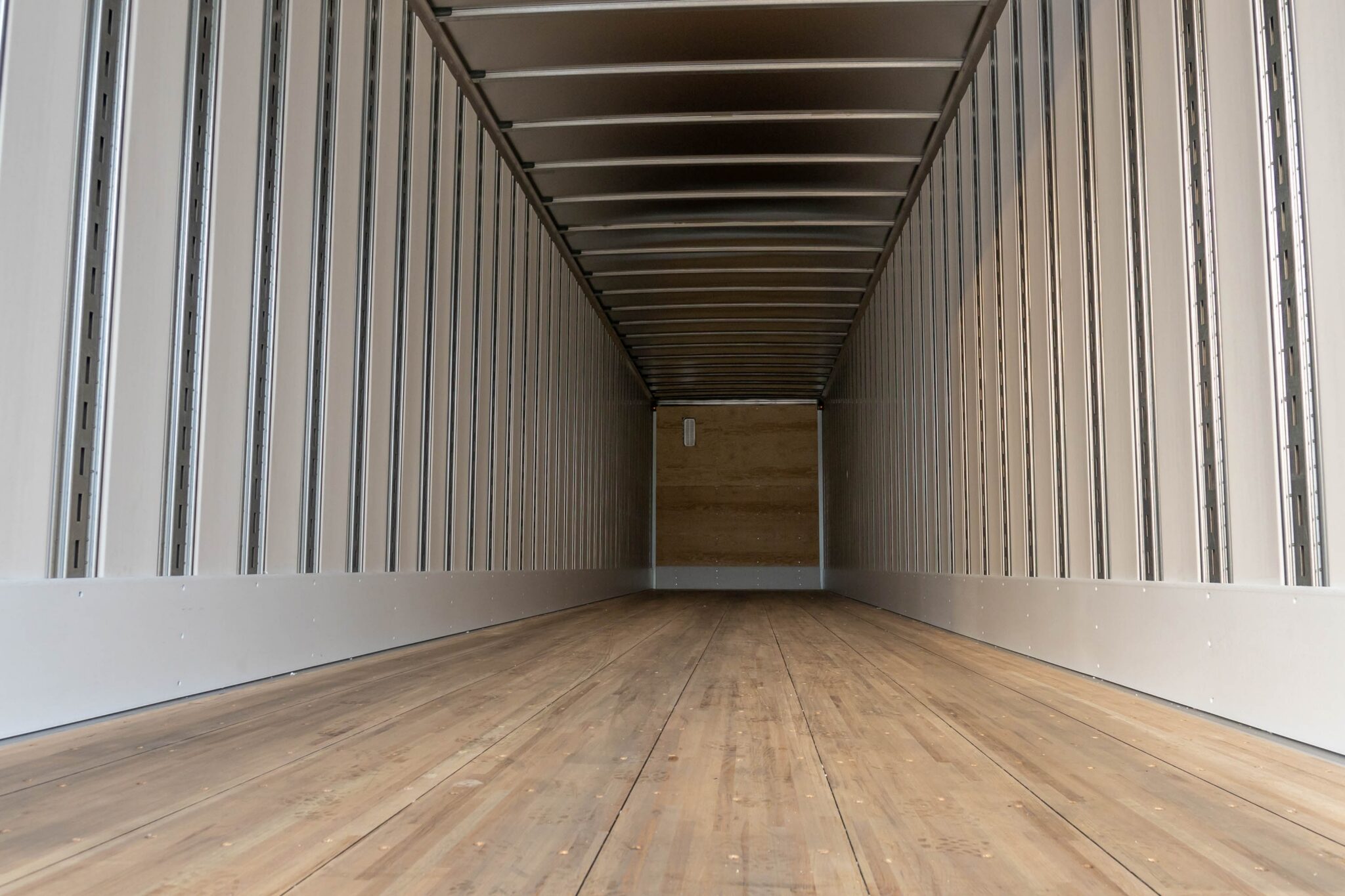
A dry van is an enclosed trailer used for general commercial freight. It protects freight from weather and is one of the most common trailer types in transportation.
Dry vans are often used for:
- Palletized goods
- Boxed products
- Retail inventory
- Consumer goods
- Manufacturing freight
- Packaged materials
- Warehouse transfers
- Automotive parts
- General commercial freight
- Freight that needs to be stacked/ consolidated
- Dry vans are also some of the cheapest and most available trailers
Dry vans protect freight from weather and are typically loaded through rear doors at a dock.
Use a dry van when:
- Freight fits within standard dimensions
- Weather protection is required
- Loading is done via dock or forklift
When Should I Use a Flatbed Trailer?
A flatbed is an open-deck trailer with no sides or roof. It is used for freight that cannot be transported in a standard enclosed trailer due to size, shape, weight, or loading requirements.
Flatbeds are often used for:
- Steel
- Lumber
- Pipe
- Construction materials
- Machinery
- Industrial freight
- Building products
- Large equipment
- Freight requiring crane or forklift loading
Flatbeds are flexible because freight can be loaded from the side, top, or rear. This makes them useful for construction sites, yards, manufacturing facilities, and freight that cannot be loaded through the rear doors of a dry van. Tarps are an option to protect freight from the elements, and flatbeds are also ideal for loads with specific tie-down points that can’t be accessed properly inside a dry van. They are especially useful for freight that is too wide to fit inside an enclosed trailer like a rolltite or a dry van.
A flatbed may be the right choice when your freight is too large, awkward, or difficult to load into an enclosed trailer.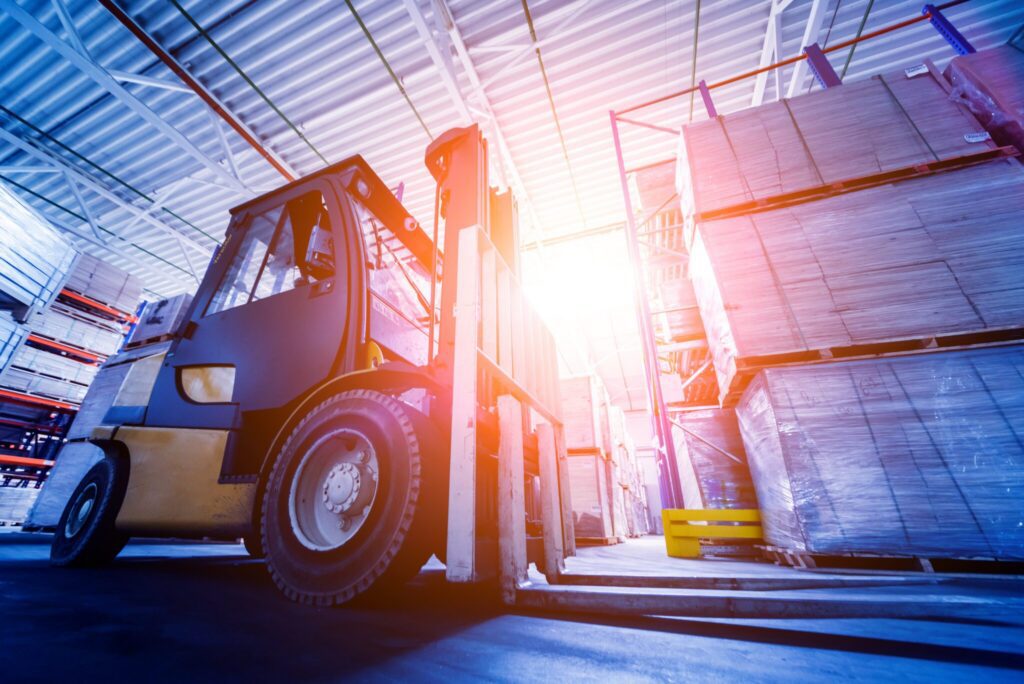
When Should I Use a Step Deck Trailer?
A step deck trailer, also called a drop deck trailer, is an open-deck trailer with two deck levels. The lower deck allows taller freight to move while helping stay within height limits.
Step decks are often used for:
- Tall machinery
- Industrial equipment
- Agricultural parts
- Construction freight
- Oversized crates
- Tanks
- Large components
- Freight that is too tall for a standard flatbed
The main benefit of a step deck is lower deck height.
Use a step deck when:
- Freight exceeds flatbed height limits
- Open-deck transport is required
- Height compliance is critical
- Tarps and straps
Even a few inches can determine whether a shipment moves legally or requires special permits.
When Should I Use an RGN Trailer?
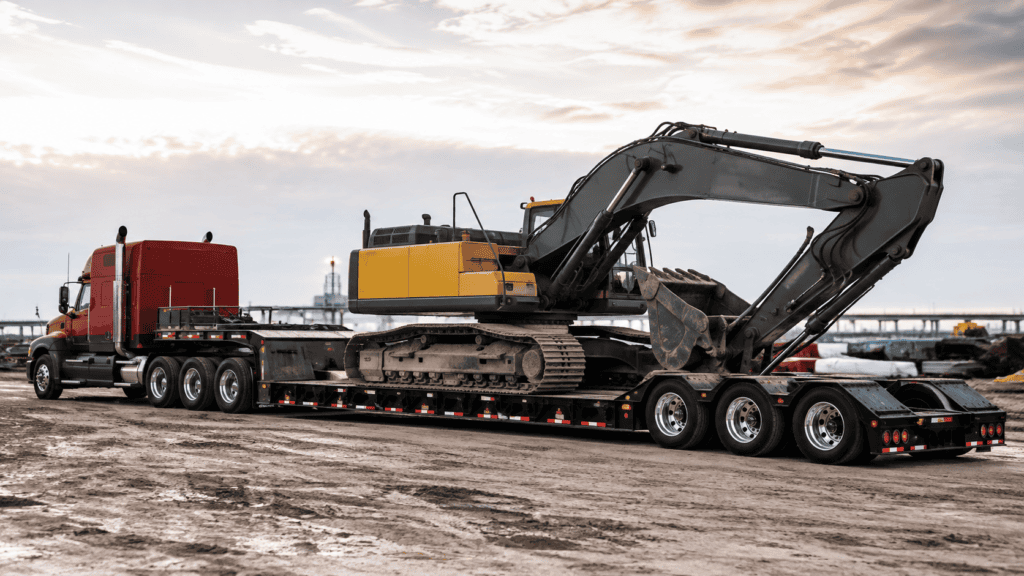
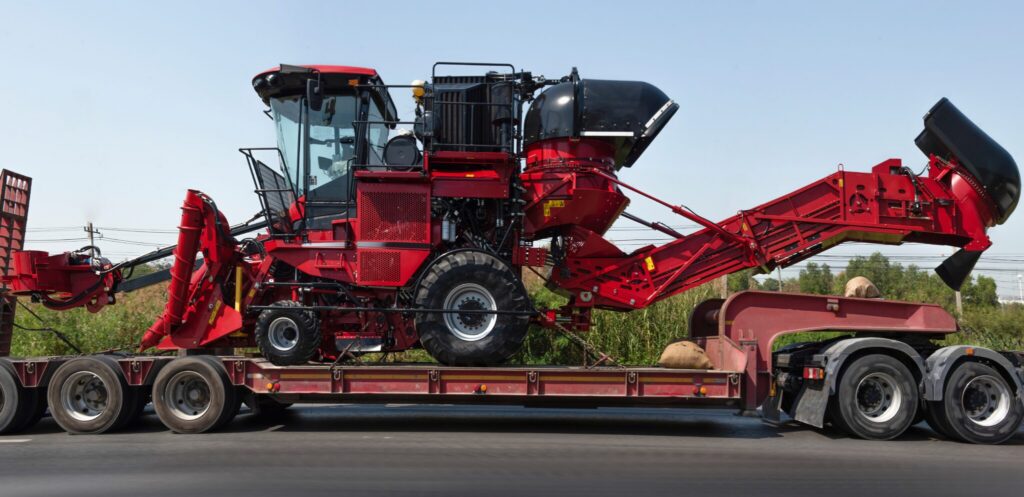
An RGN (removable gooseneck) trailer is used for heavy equipment and machinery. The front detaches to form a ramp so equipment can be driven or rolled on. Compared to flatbeds or stepdecks, RGN ramps handle much heavier loads and provide a lower incline, making loading safer and easier for tall or low-clearance machinery.
RGN trailers are often used for:
- Excavators
- Loaders
- Large machinery
- Construction equipment
- Industrial equipment
- Oversized equipment
- Heavy equipment needing ground-level loading
RGNs are useful when freight is difficult to lift or when equipment needs to be loaded from the ground. They can also help with tall or heavy freight that is not suited to a standard flatbed or step deck.
An RGN may be the right choice when the freight needs ground-level loading or has size and weight requirements that call for more specialized planning, and it is also commonly used for oversized freight that requires permitting for over-height clearance, over width loads, or overweight shipments.
How Do I Choose the Right Trailer Type?
The best way to choose a trailer is to start with the freight details. Do not begin with the trailer name. Begin with what the load requires. Provide the dimensions to Titan, and we can tell you what equipment works.
1. Confirm the freight dimensions
Measure the length, width, and height. Height is especially important when deciding between a flatbed and a step deck. A few inches can make a big difference.
2. Confirm the freight weight
Weight affects trailer selection, axle requirements, route planning, and cost. Accurate weight is especially important for heavy machinery, industrial freight, and oversized loads.
3. Understand how the freight will be loaded
Will it be loaded from a dock? By forklift? By crane? From the side? From the top? Will the equipment be driven onto the trailer? The loading method can quickly narrow the trailer choice.
4. Understand how the freight will be unloaded
The delivery site matters as much as the pickup site. A trailer that works at pickup may not work at delivery if the receiver does not have the right equipment or space.
5. Consider weather protection
If the freight must be enclosed, a dry van may be best. If the freight needs open-deck access but also needs protection, tarping or other equipment options may be discussed.
6. Check delivery site access
Some locations have docks. Others are jobsites, rural areas, yards, or limited-access locations. Site conditions can affect trailer choice and delivery planning.
7. Review timing and route needs
Specialized equipment may require more planning. Oversized or heavy freight may also require route review. The earlier you confirm details, the more options you may have. Check securement requirements (tie down points, straps, chains, bracing etc)
Common Trailer Selection Mistakes
Booking a dry van when freight needs side loading
Dry vans are enclosed and usually loaded from the rear. If freight needs side loading, crane loading, or top loading, a flatbed or step deck may be needed.
Booking a flatbed when freight is too tall
If height is the issue, a step deck may be a better option than a standard flatbed.
Improper equipment for loading and unloading
A trailer may fit the freight but not the site. Always confirm dock access, yard space, unloading equipment, and appointment requirements.
Guessing dimensions or weight
Estimated measurements can lead to the wrong trailer being sent. That can delay pickup and increase costs. Permits may be required on overheight or wide loads; heavy loads may need to be moved as triaxles instead of the standard tandem.
Waiting until the last minute
Specialized trailers may not always be available on short notice. Early planning helps secure the right equipment.
Examples of Which Trailer May Fit
Example 1: Palletized retail freight
A business needs to move boxed goods from a warehouse to a distribution centre. The freight is palletized, needs weather protection, and both locations have docks. A dry van may be the right option.
Example 2: Construction materials
A supplier needs to move lumber, steel, or pipe to a jobsite. The freight needs open-deck access and may be loaded by forklift or crane. A flatbed may be the right option.
Example 3: Taller machinery
A manufacturer needs to ship equipment that is over the legal height and requires loading and unloading from the ground. A step deck may be the right option.
Example 4: Large equipment requiring ground-level loading
A contractor needs to move a machine that must be driven onto the trailer, is over-dimensional, and is too heavy for standard ramps. An RGN may be the right option because it supports ground-level loading.
What Information Is Needed for a Freight Quote?
Before requesting a custom quote, prepare:
- Pickup and delivery addresses
- Freight description
- Dimensions and weight
- Number of pieces
- Loading and unloading methods
- Site access details
- Photos (recommended)
- Delivery timeline
- Weather protection needs
Photos, drawings and spec sheets are especially helpful for machinery, construction materials, oversized freight, and unusual freight shapes. They help the freight team understand the load before recommending equipment.
Why a Personalized Trailer Quote Matters
Trailer selection affects more than price. It affects whether the freight can be loaded, whether it can move safely, whether the route works, and whether the the pickup and delivery sites have the proper equipment to load and unload the truck .
A personalized quote ensures:
- Proper equipment selection
- Accurate pricing
- Reduced risk of delays
- Compliance with regulations
- Efficient routing and delivery
This is important because the wrong equipment can delay pickup or require rebooking.
A custom quote gives the shipper a clearer freight plan before the load moves.
How Does Titan Help Choose the Right Trailer Type?
Titan Transline helps shippers choose the right trailer by reviewing the details before equipment is booked. The team looks at freight size, weight, route, loading method, unloading method, delivery site access, timing, and protection needs. Titan will ask questions, provide insight and qualify details
This helps reduce the risk of sending the wrong trailer, delaying a pickup, or discovering too late that the freight cannot be loaded as planned.
Whether your load needs a dry van, flatbed, step deck, RGN, or another equipment option, Titan can help match the freight to the right solution and prepare a personalized quote based on the shipment requirements.
What Makes Titan Different When Choosing Trailer Types?
Some freight providers may ask what trailer you want. Titan helps determine what trailer your freight actually needs.
Titan provides:
- Access to a wide range of trucking and trailer options
- Help choosing equipment based on freight dimensions and weight
- Support for standard, oversized, open-deck, and cross-border freight
- Guidance on loading and unloading requirements
- Freight planning based on site access and delivery conditions
- Custom quotes based on the actual trailer and route required
- Communication that helps prevent equipment mismatch and pickup delays
This is especially useful for businesses shipping machinery, construction materials, industrial freight, equipment, or loads that do not fit neatly into a standard trailer.
Team Insight
“A lot of people focus on height, but loading requirements are just as important when choosing a step deck. Unlike a dock-height trailer, step decks are typically loaded from the ground, by crane, or using ramps. We also need to know the freight’s overall dimensions to determine whether a standard or low-pro step deck is the right fit. Getting those details upfront helps us match the shipment with the right equipment and avoid issues on pickup day.”
FAQs
What are common accessorial charges in freight shipping?
Accessorial charges are additional fees for services beyond standard transportation. Common examples include detention, waiting time, appointment fees, redelivery, drop trailers, and TONU. Dry van shipments may also require liftgate, residential, or inside pickup/delivery services, while deck freight may incur charges for tarping, permits, pilot cars, oversized loads, ramps, blocking and bracing, or driver assist. Accessorial charges vary by shipment and equipment type, so they should be confirmed before booking.
What happens if my freight is delayed in transit?
Delays can occur due to weather, traffic, mechanical issues, or scheduling conflicts. Working with a logistics provider helps ensure proactive communication and contingency planning if delays arise.
Do I need freight insurance for my shipment?
While carriers provide limited liability coverage, additional freight insurance is recommended for high-value or sensitive shipments to ensure full protection. The industry standard is $2/lb listed on the BOL.
Can I track my shipment in real time?
Many carriers offer tracking updates, but real-time visibility depends on the equipment and service type. Logistics providers often offer enhanced tracking and communication throughout transit. Titans account managers are available during and after business hours for load updates.
What is detention and how can I avoid it?
Detention fees occur when loading or unloading exceeds the free allotted time. To avoid these charges, ensure your shipment is ready and that loading/unloading processes are efficient.
Do I need special permits for oversized freight?
Yes, oversized or overweight shipments often require permits depending on dimensions, weight, and route. These are typically arranged by the carrier or logistics provider.
What is the difference between direct and consolidated shipping?
Direct shipping moves your freight straight from pickup to delivery, while consolidated shipping combines multiple shipments to reduce costs but may increase transit time.
Ready to Choose the Right Trailer?
Choosing the right trailer starts with understanding the freight. Dry vans work well for enclosed, palletized freight. Flatbeds are useful for open-deck freight. Step decks help with taller loads. RGNs are often used for large equipment that needs ground-level loading.
If you are not sure which trailer your shipment needs, Titan Transline can help review the details and prepare a custom freight quote.