
The rise of trucking scams and freight fraud in 2025 has become one of the most serious long-term threats facing the logistics industry. What was once limited to isolated cargo theft has evolved into a complex mix of cybercrime, identity fraud, and coordinated logistics manipulation.
From double brokering schemes to carrier identity theft and strategic load hijacking, criminals are exploiting gaps in verification, communication, and digital infrastructure.
For carriers, brokers, and shippers, understanding these threats—and knowing how to prevent freight fraud—is essential heading into 2026.
The Rising Cost of Trucking Scams in 2025
Freight fraud is no longer a fringe issue. It is now a multi-billion-dollar problem affecting every part of the supply chain, from the manufacturer to the purchaser.
Recent industry estimates suggest:
- Fraud is increasing over 40% year over year
- Cargo theft and related fraud may cost up to $35 billion annually
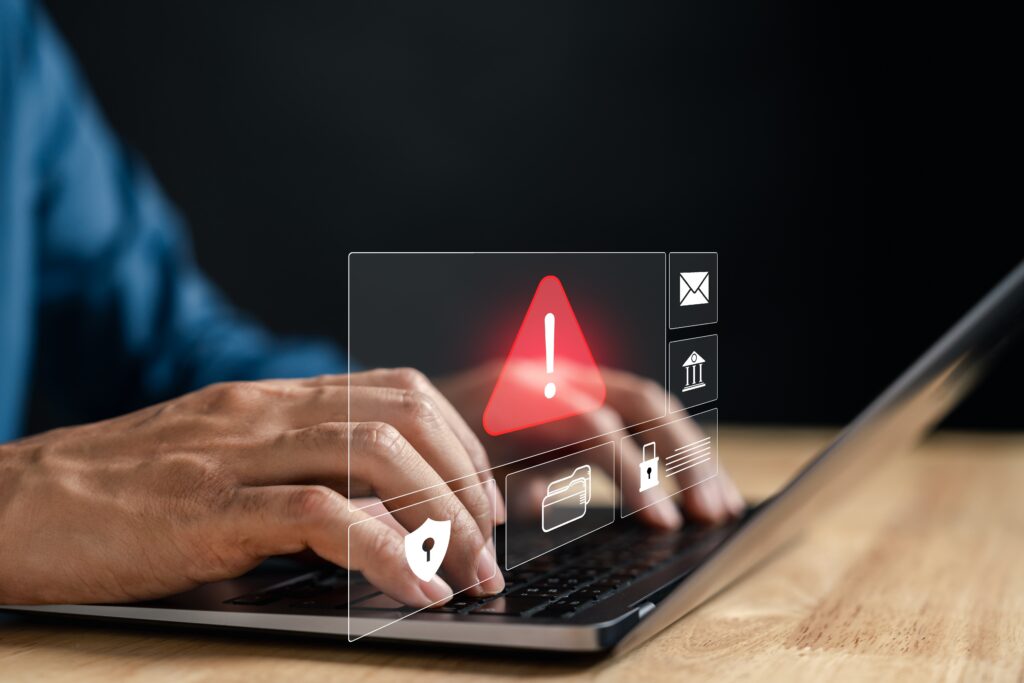
What’s driving this surge is the shift toward organized, tech-enabled fraud networks. These groups combine traditional theft tactics with digital tools like phishing, spoofing, and identity impersonation.
Rather than breaking into trailers, today’s criminals are infiltrating systems and processes.
The rapid increase in freight fraud reflects a broader shift across industries toward cyber-enabled crime. Criminal networks are no longer operating in isolation—they are leveraging automation, stolen data, and coordinated systems to exploit vulnerabilities in supply chains. As logistics becomes more digitized, the attack surface for fraud continues to expand.
Key Insight: Modern trucking scams are as much about cybersecurity as they are about physical freight.
1. Double Brokering Fraud
Double brokering fraud remains one of the most common and damaging scams in the trucking industry.
In a typical scenario, a fraudulent broker or carrier accepts a load and then reassigns it to another carrier without authorization. The shipment may still be delivered, but payment is often misdirected—or the freight is held ransom by the trucking company until payment is made up front.
This scam continues to grow because it exploits trust and speed within freight transactions.
Warning Signs of Double Brokering:
- Newly created brokers with little transaction history
- Rates that are significantly below market
- Pressure to quickly book or reassign loads
- Incomplete or inconsistent documentation
2. Carrier Identity Theft in Trucking
One of the fastest-growing threats is carrier identity theft, where scammers impersonate legitimate trucking companies that are already trusted in the industry.
By copying MC numbers, company names, and insurance details, fraudsters can appear credible enough to book loads. Once freight is picked up, it is often rerouted, stolen, or sold off.
This tactic mirrors common consumer scams—but is now highly targeted within logistics.
Common Red Flags:
- Slight variations in email domains (e.g., extra letters or misspellings)
- Email signatures that appear as images instead of clickable, verifiable links
- Calling from an area code that doesn’t match the company’s location
- Contact information that does not match FMCSA records
- Sudden changes in dispatch or communication contacts
- AI-Generated emails and signatures
3. Cargo Theft and Strategic Load Hijacking
Cargo theft has evolved beyond physical break-ins into what’s now known as strategic load hijacking.
Instead of stealing freight from parked trailers, criminals manipulate the logistics process itself. They may impersonate drivers at pickup or send fraudulent instructions to reroute shipments mid-transit.
This method is harder to detect because it appears operationally legitimate.
High-risk cargo typically includes:
- Electronics
- Food and beverages
- Metals (especially copper)
- Cosmetics and supplements
- Automotive components
Emerging Trend: Mid-transit rerouting is one of the fastest-growing forms of freight fraud.
4. Fake Freight Brokers
The growth of digital freight platforms has also led to an increase in fake brokerage scams.
In these cases, criminals create fake brokerages—or compromise real ones—and post loads on freight boards. They collect payments from shippers but never intend to deliver the freight, and go silent once the payment has been received.
Because these brokers often appear legitimate online, traditional verification methods are not always enough.
The opposite scam is also growing quite popular as well, where criminals will impersonate the carrier, and require “pre-payment” from the broker or shipper and disappears once the payment is received.
5. MC Number Manipulation
Another evolving tactic involves the misuse of Motor Carrier (MC) numbers.
Fraud rings acquire inactive or dormant trucking authorities, reactivate them, and operate temporarily under a legitimate-looking identity. This allows them to complete multiple fraudulent transactions before disappearing.
This strategy makes detection more difficult, as the credentials themselves are technically valid.
How to Prevent Freight Fraud in 2026
As scams become more sophisticated, prevention requires a combination of verification processes, communication discipline, and cybersecurity.
1. Verify Every Carrier and Broker
Relying solely on emailed documents is no longer sufficient.
Companies should always cross-check:
- FMCSA registration and authority status
- MC Number status
- Insurance coverage and safety records
- Email domains, signatures and area codes
- Contact details using independently verified sources
Taking a few extra minutes to verify can prevent significant financial loss.
2.Use Multi-Channel Communication Verification
Fraudsters frequently rely on email spoofing or caller ID manipulation. To reduce risk, all critical changes should be confirmed through a second communication channel.
For example, if a request comes via email, verify it by phone using a trusted number.
Best Practice: Never rely on a single communication channel for important decisions.
3. Treat Mid-Transit Changes as High Risk
Unexpected delivery changes are one of the clearest indicators of fraud.
Drivers and dispatchers should treat any reroute request as suspicious until it has been verified directly with the original broker or shipper.
4. Strengthen Cybersecurity
Because many scams originate from compromised systems, cybersecurity is now a core part of fraud prevention.
Companies should implement:
- Multi-factor authentication (MFA)
- Email filtering and threat detection
- Employee training on phishing awareness
- Secure systems for sharing load details
- Email attachment protocols
5. Use Trusted Freight Platforms and Vetting Tools
Technology plays an increasingly important role in identifying fraud early.
Modern platforms can:
- Verify carrier identities
- Detect suspicious patterns
- Flag inconsistencies before loads are assigned
The Future of Freight Fraud
Freight fraud is expected to continue evolving as criminal groups adopt new technologies and collaborate across networks.
The most significant risks moving into 2026 include:
- Cyber-enabled cargo theft
- Identity-based fraud schemes
- Digital impersonation tactics
However, companies that invest in strong operational controls and verification systems will be far better positioned to mitigate these threats.
How Titan Transline Helps Protect Your Freight
At Titan Transline, we recognize how costly and disruptive freight fraud can be.
Our approach focuses on:
- Thorough carrier vetting and verification
- Secure and transparent communication
- Proactive fraud prevention practices and procedures
- Reliable, accountable freight operations
Working with trusted partners is one of the most effective ways to reduce risk in today’s logistics environment.
Frequently Asked Questions About Trucking Scams
What is the most common trucking scam in 2025?
Double brokering fraud is one of the most common scams, where a load is re-brokered without authorization, often leading to payment issues or cargo theft.
How can I verify a freight broker or carrier?
You can verify a broker or carrier by checking FMCSA records, confirming insurance details, and contacting the company using verified phone numbers rather than email-provided contacts.
What are the warning signs of freight fraud?
Common warning signs include unusually low rates, rushed load transfers, mismatched contact details, and unexpected changes in delivery instructions.
How does cargo theft happen in modern trucking?
Cargo theft now often involves impersonation or digital rerouting of shipments rather than physical theft, making it harder to detect.
How can trucking companies prevent freight fraud?
Prevention involves verifying all partners, using multi-channel communication, strengthening cybersecurity, and working with trusted freight platforms.
What should I do if I suspect a freight scam?
Stop the transaction immediately, verify all information through official channels, and report the incident to appropriate authorities such as FMCSA.
Final Thoughts
Trucking scams in 2025 are more advanced, more organized, and more costly than ever before. But they are still preventable.
If you’re unsure about a carrier, broker, or shipment, taking the time to verify upfront can prevent costly mistakes later.
Companies that prioritize verification, communication, and cybersecurity will not only reduce their exposure to fraud—they will build stronger, more resilient operations heading into 2026.