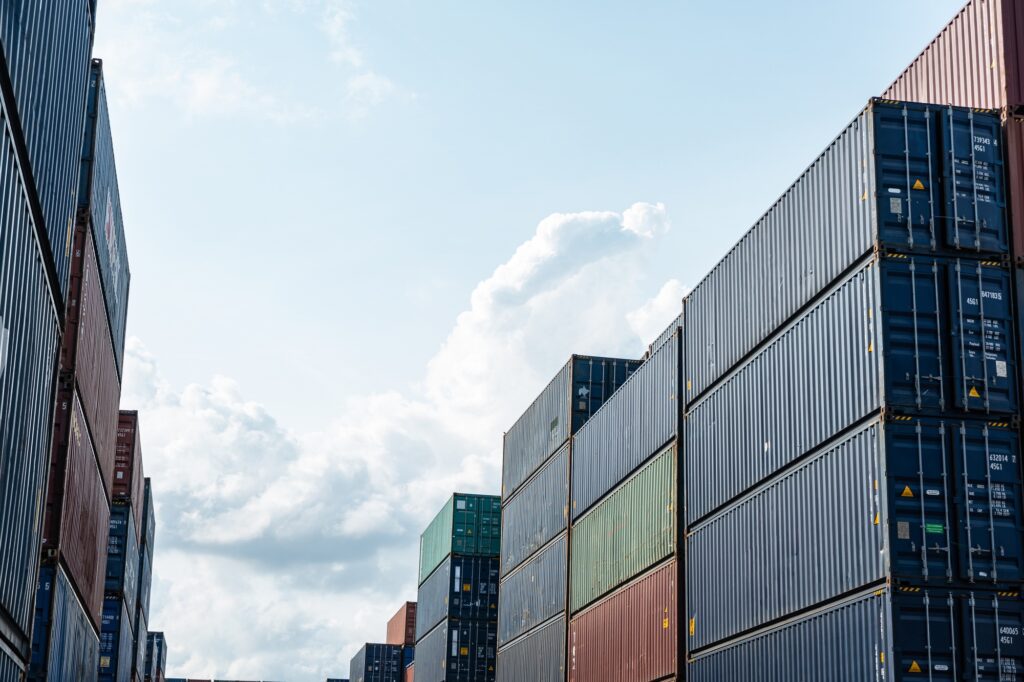

In the vast world of global trade, containers and port shipping play a crucial role in the transportation of goods across continents. Every year, billions of tons of cargo pass through seaports worldwide, packed into standardized containers that make logistics more efficient. But the journey of a container doesn’t end at the port. Getting it from the port to its final destination involves another essential player in the supply chain: local logistics companies like Titan Transline. We take the hassle and confusion out of this essential part of global trade.
What is Container and Port Shipping?
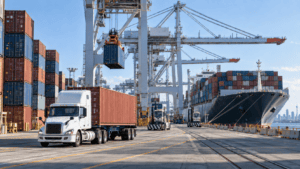
Container shipping is a method of transporting goods in large, reusable steel cans called intermodal containers. These containers come in standard sizes—most commonly 20 or 40 feet—and are designed to be easily transferred between ships, trucks, and trains without unloading the contents inside. This intermodal system streamlines the movement of goods, reduces handling, and lowers the risk of damage or theft.
How Trucking Companies Remove Containers from Ports
-
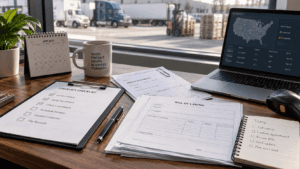
Pre-Arrival Documentation: Titan Transline will first coordinate with freight forwarders, customs brokers, and port authorities to ensure all documentation is in place and cleared. This includes delivery orders, customs clearance, and terminal release forms.
-
Appointment Scheduling: With a high volume of freight, ports operate on an appointment system due to high traffic. Titan Transline will schedule a time slot to pick up from the terminal, for your convenience.
-
Driver Check-In: Upon arrival, drivers check in at the port gate using identification and relevant documents.
-
Container Pick-Up: After clearing security and receiving clearance, the truck proceeds to the designated area where cranes or yard trucks load the container onto the chassis (a trailer frame used to carry containers).
-
Exit and Delivery: The truck exits the port and proceeds to deliver the container. Once unloaded, the empty container may be returned to the port or a depot, depending on shipping line requirements, and the owner of the container.
Restrictions and Challenges in Port Shipping
1. Port Congestion
2. Driver Hour Restrictions
Containers may be flagged for inspection by customs or other regulatory agencies. These holds can delay release from the port and result in additional fees.
4. Limited Port Operating Hours
While many ports have moved to 24/7 operations, not all terminals follow the same schedule. Limited operating hours and appointment schedules can impact how quickly containers are cleared and picked up.
Titan Transline will be with you every step of the way in navigating any of these potential problems!
Port and container shipping is a cornerstone of the global supply chain, enabling efficient, large-scale movement of goods. Companies like Titan Transline play a vital role in bridging the gap between sea transport and inland destinations. As global trade continues to grow, addressing these challenges through improved technology, better infrastructure, and collaboration across the logistics chain will be essential to keeping goods moving smoothly. Call us today to speak with one of our port specialists!